Sport & protein1 min readLabel reading
Protein after training: how much, and does the timing matter?
The post-workout window is hours wide, not minutes. What the daily total looks like, and what a scoop is worth.
The daily number comes first
For someone training with weights or doing serious endurance work, sport-nutrition guidance generally lands in the region of 1.6 g of protein per kilogram of body weight per day, with a spread either side depending on who is writing and what the goal is. For a 70 kg person that is roughly 110 g a day from all sources, and a powder is a convenient way to close a gap rather than a category of its own.
Timing only matters once the daily total is there. Before that it makes no difference.
What happened to the window
The idea that muscle protein synthesis is only available for thirty minutes after training has not held up. Sensitivity to protein stays raised for many hours afterwards, and a meal before training is still circulating during it. What the research does support is distribution: a portion of protein at several points across the day, rather than one large evening serving.
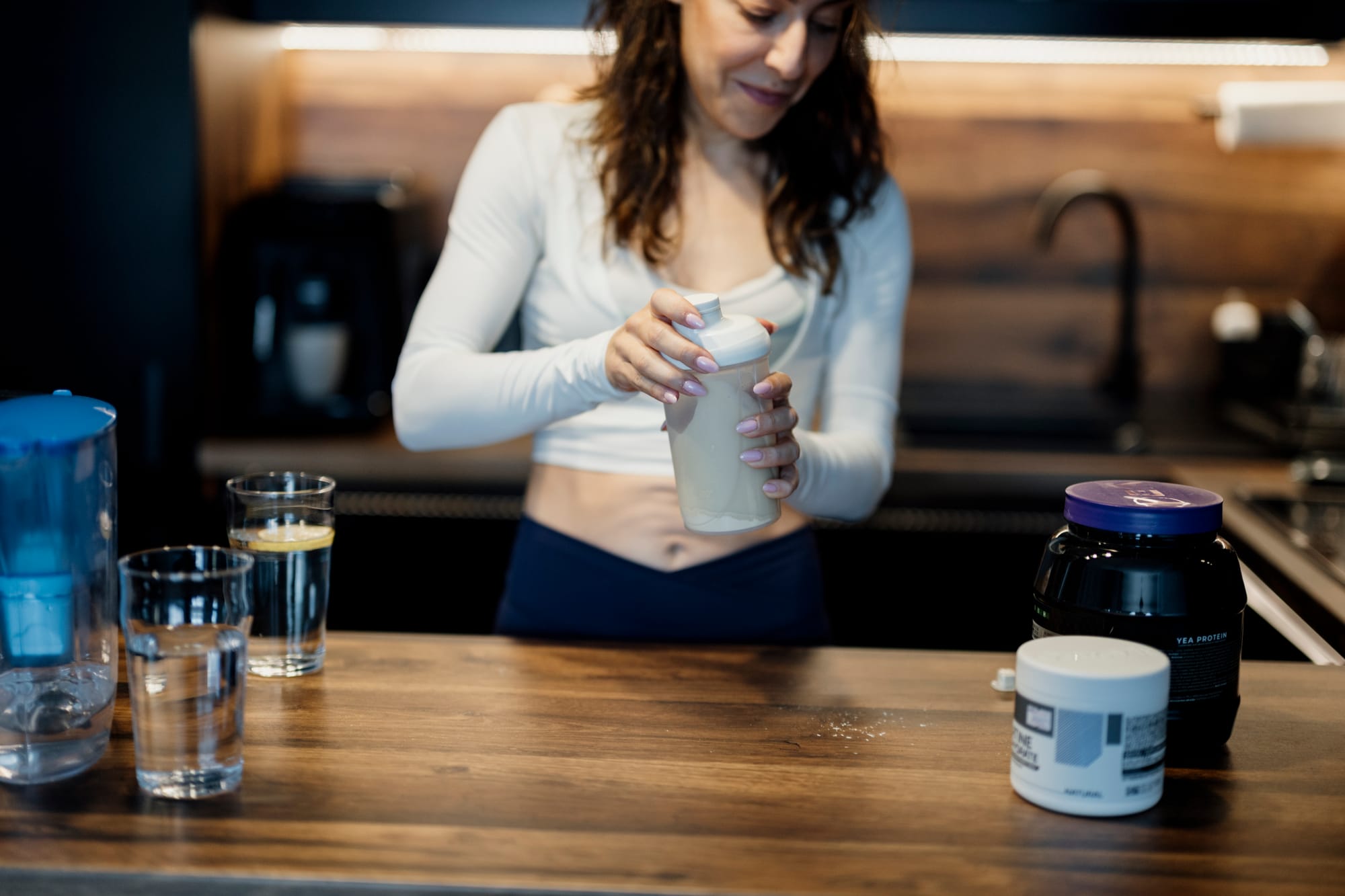
In practice, eat a normal meal within a couple of hours of training and stop treating the shaker as a deadline. Convenience is a good reason to use a powder.
Reading a protein label
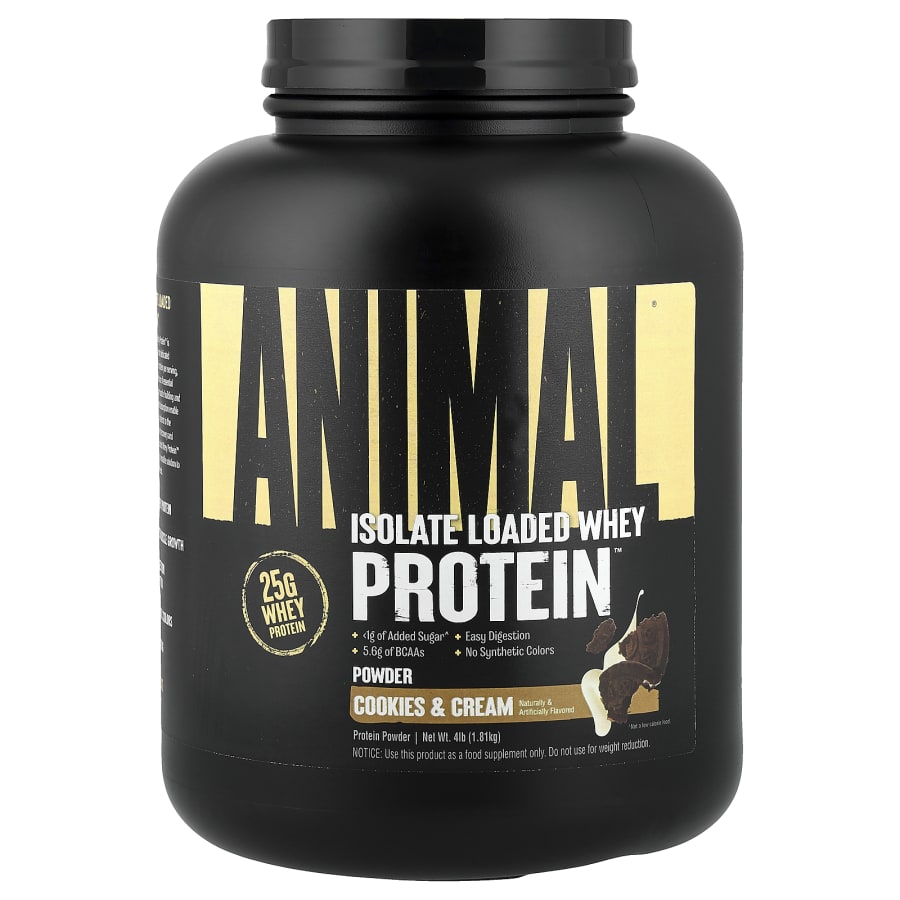
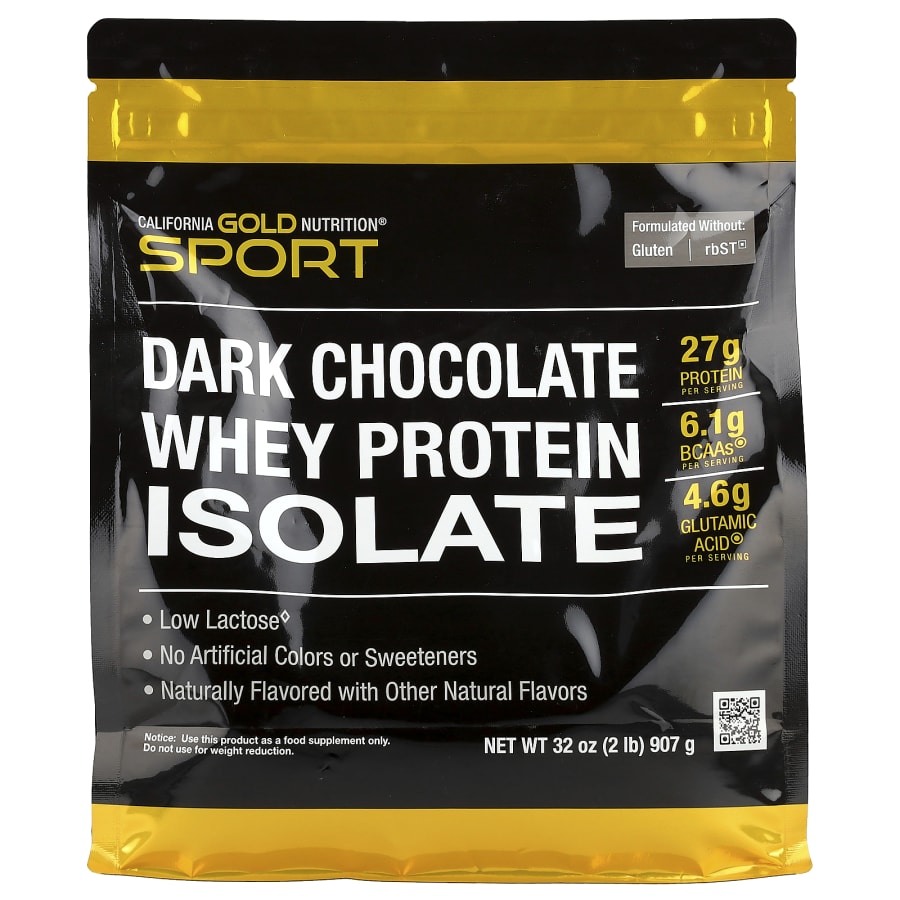
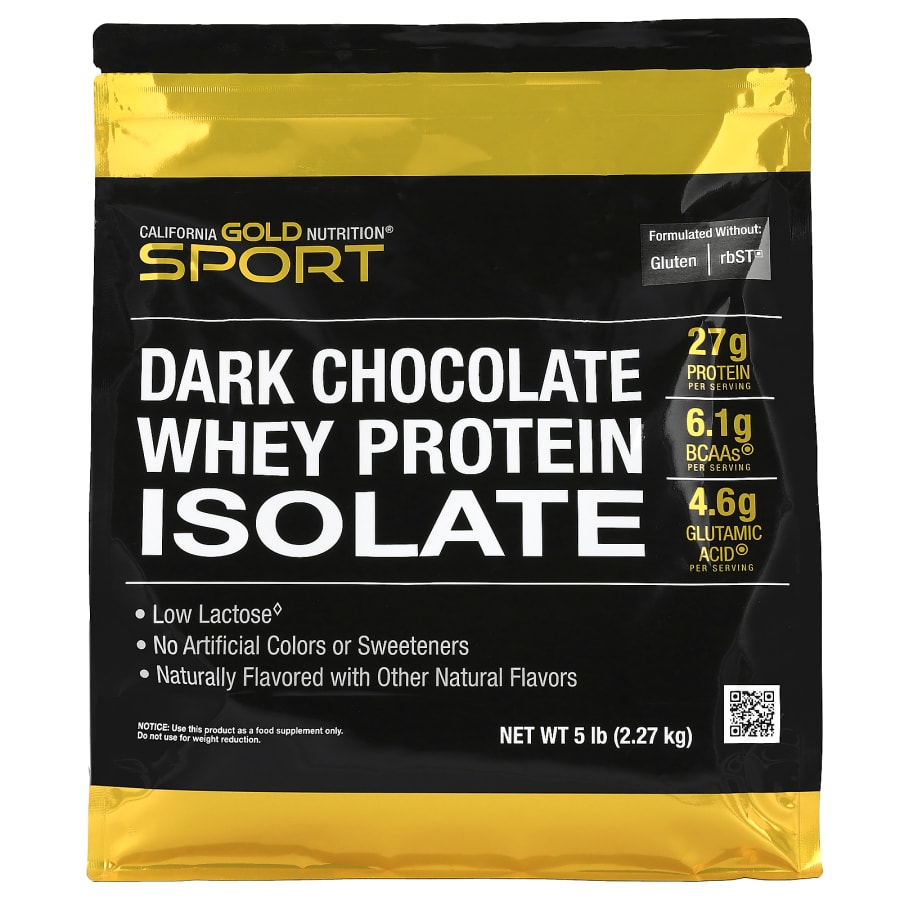
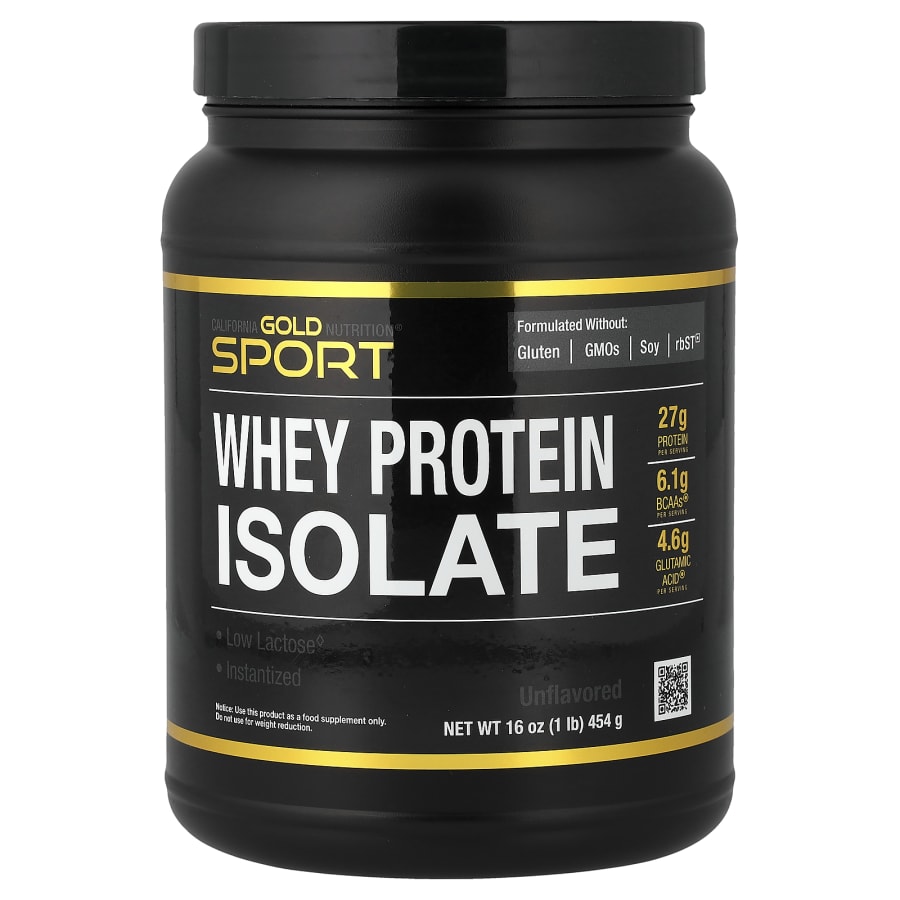
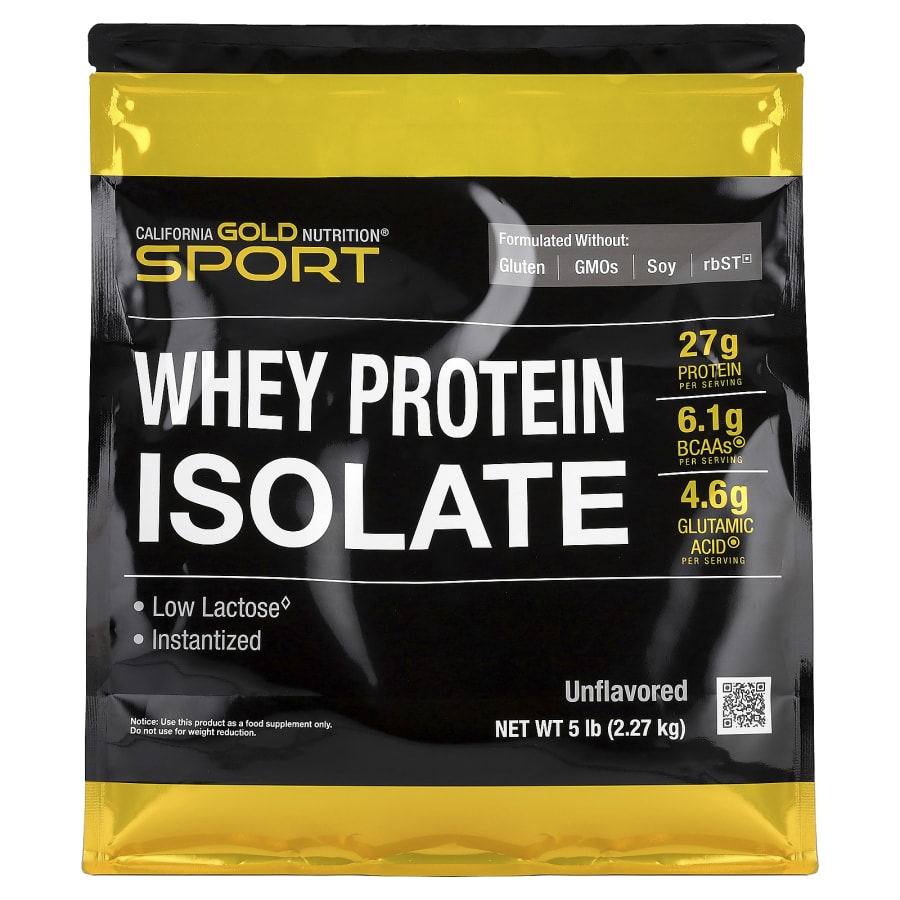
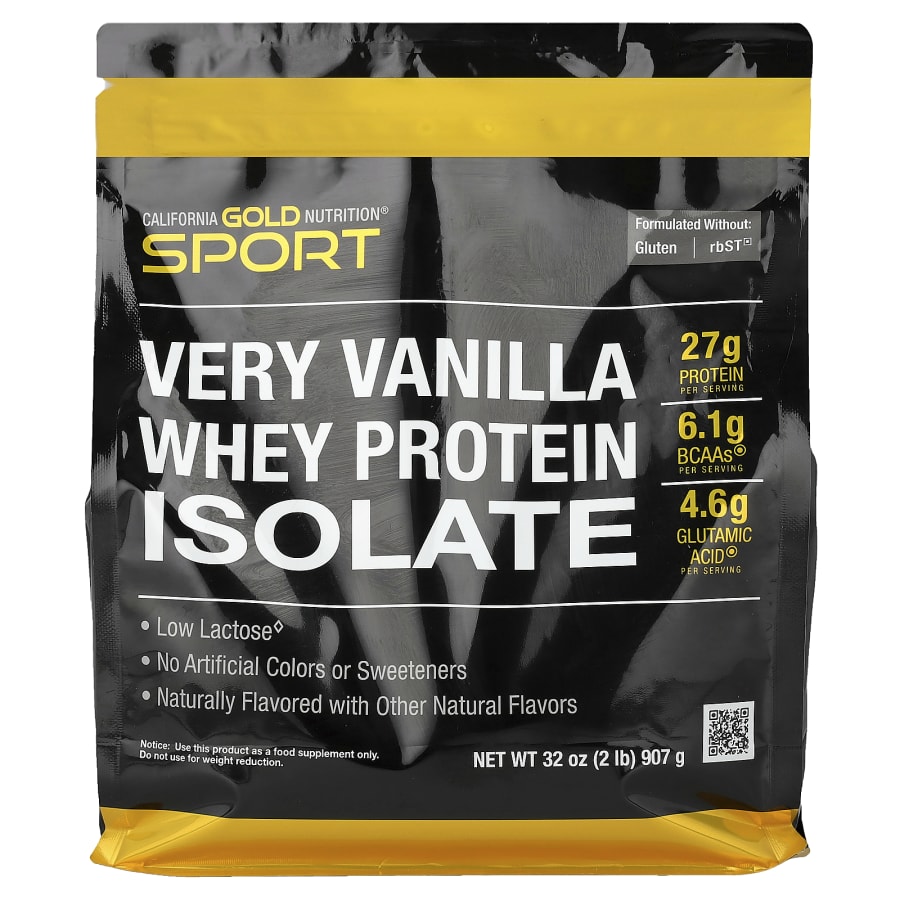
Two figures decide value: protein per scoop, and the weight of the scoop.
- Protein per scoop, against scoop weight
- 24 g protein in a 30 g scoop is 80% protein. 17 g in the same scoop is not.
- Concentrate, isolate, hydrolysate
- Each step is more processed, more expensive and lower in lactose. Isolate is the usual pick for lactose sensitivity.
- Plant blends
- Pea and rice together cover the amino acid profile better than either alone; check the total per scoop, which is often lower.
- Added creatine or amino spikes
- Read the panel. Filler amino acids inflate a nitrogen-based protein figure without matching food protein.
This is about labels, not about you: nothing here is a diagnosis or a dose. Reference intakes quoted are population figures. If you take medication, are pregnant or breastfeeding, or are asking because of a symptom, ask a pharmacist or a doctor first.