Omega & fish oil1 min readLabel reading
Fish oil: EPA, DHA, and the number the front label leaves out
A 1,000 mg softgel is not 1,000 mg of omega-3. Where the rest of it goes, and how to compare two bottles honestly.

Oil weight versus omega-3 content
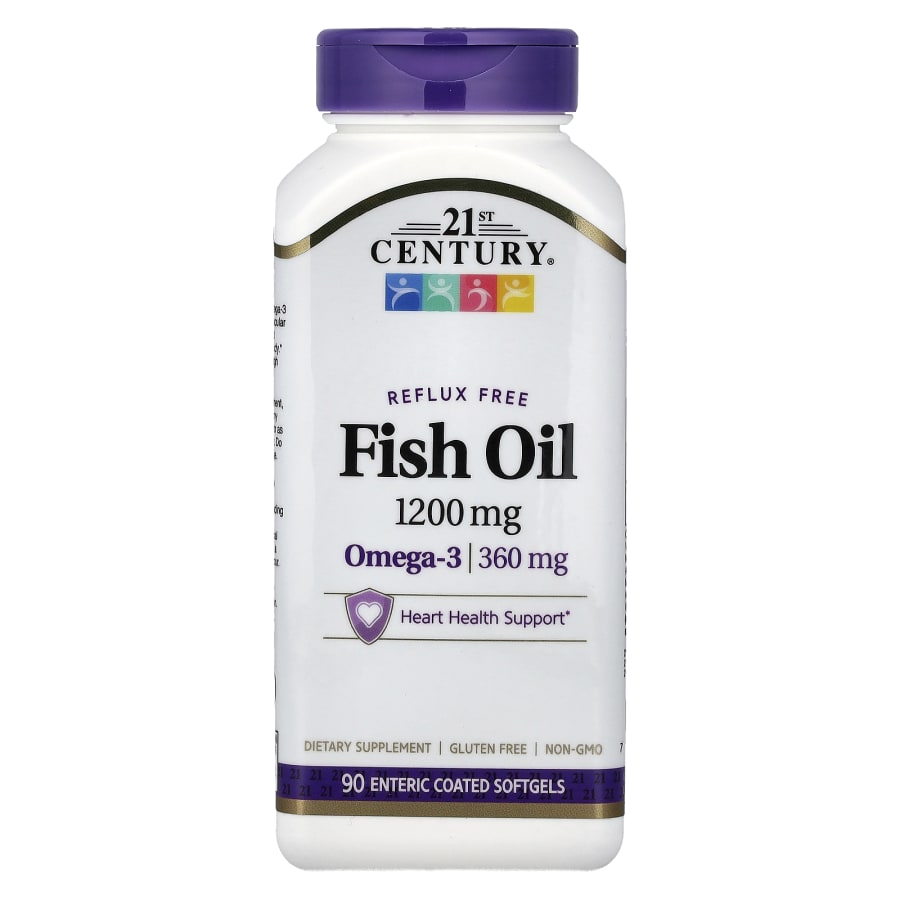
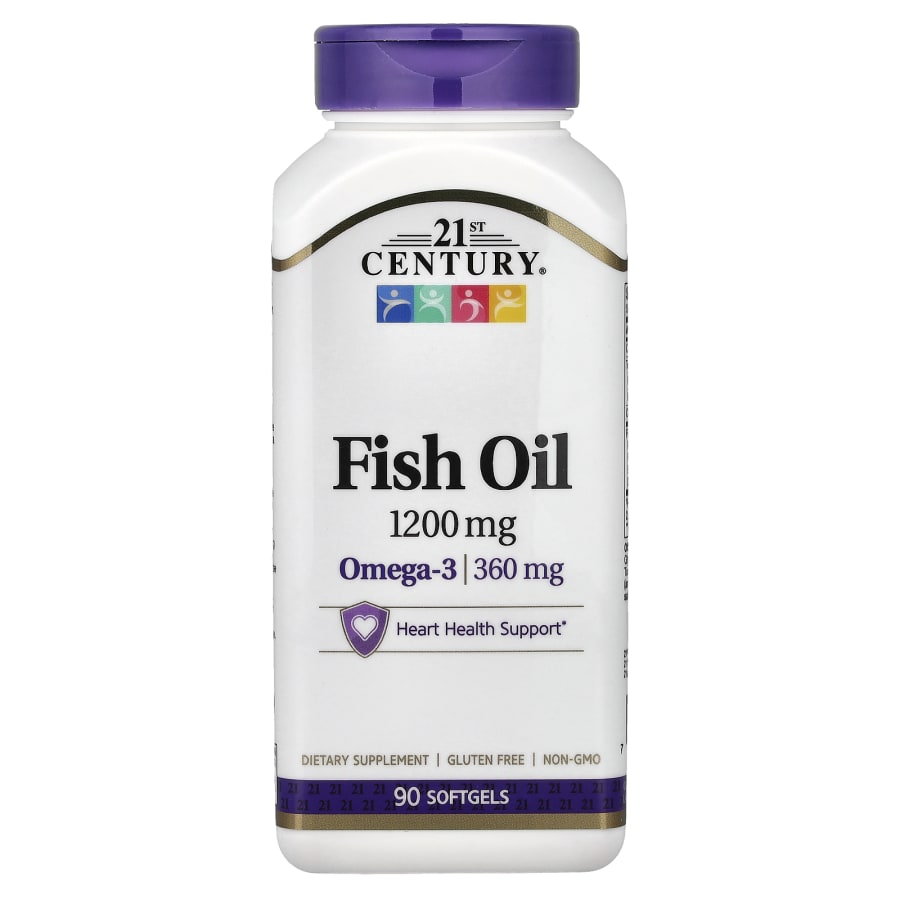
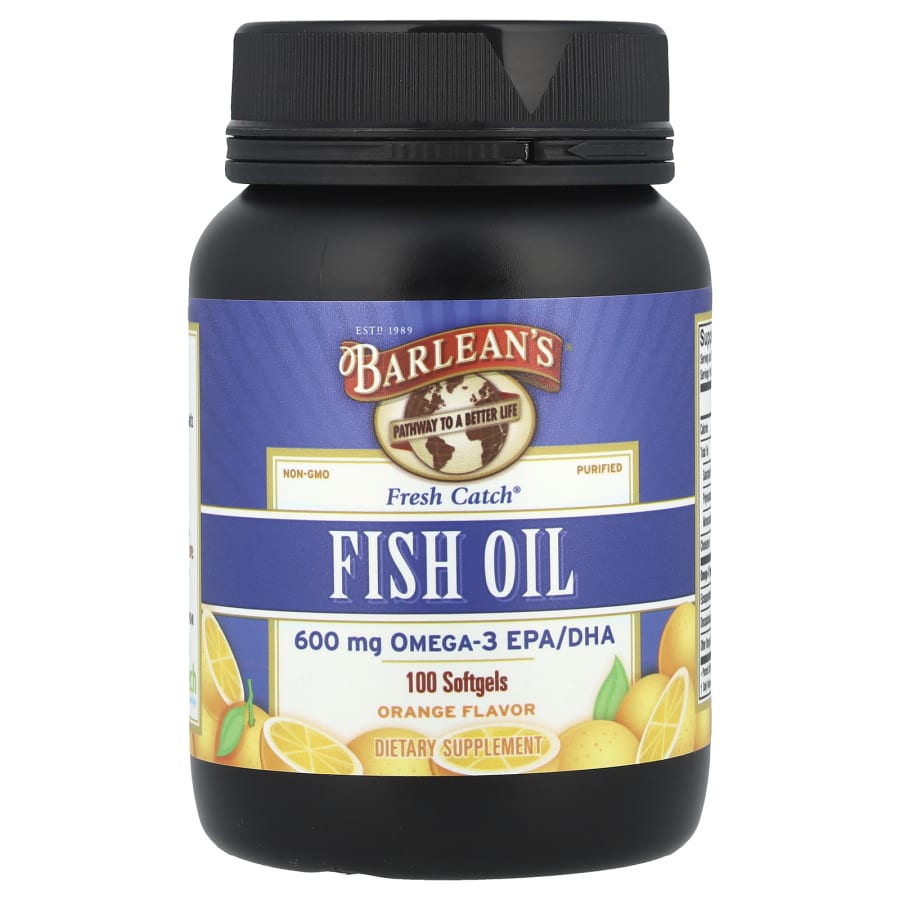
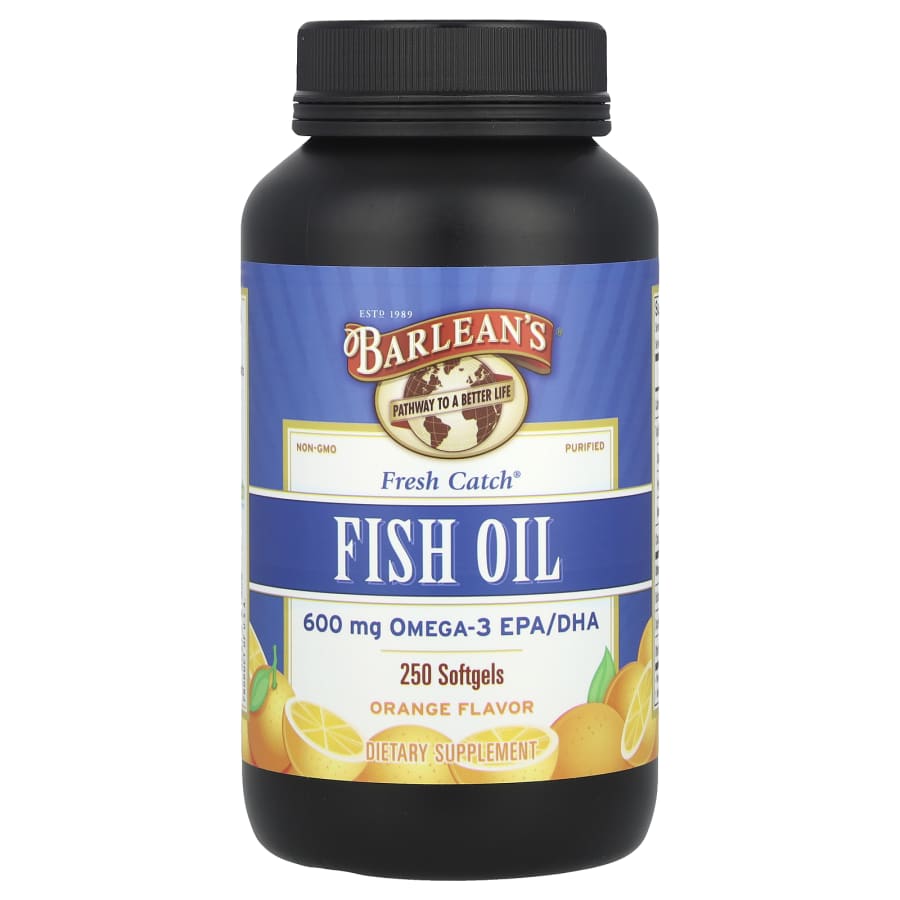
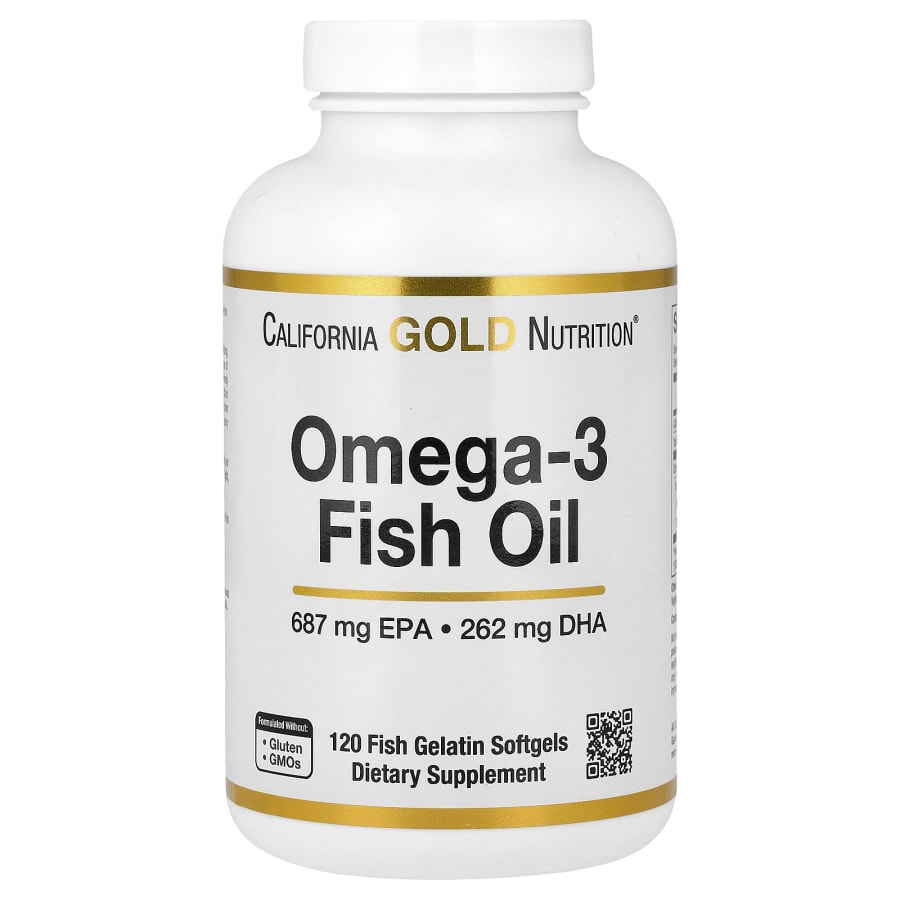
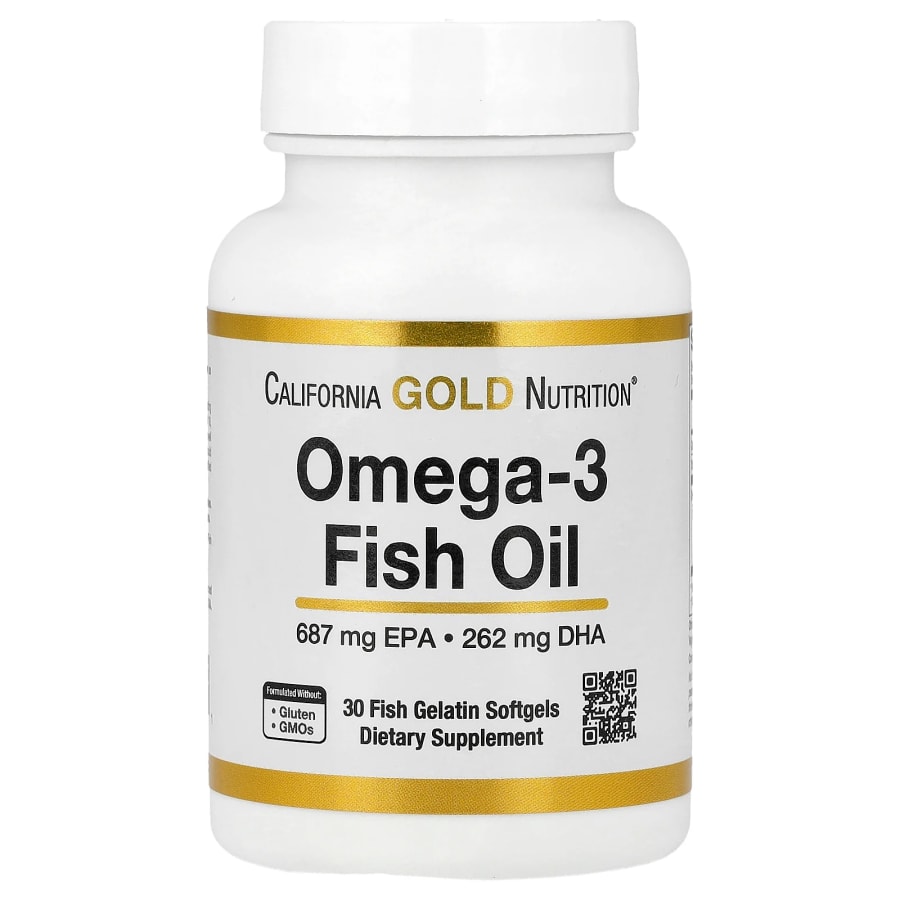
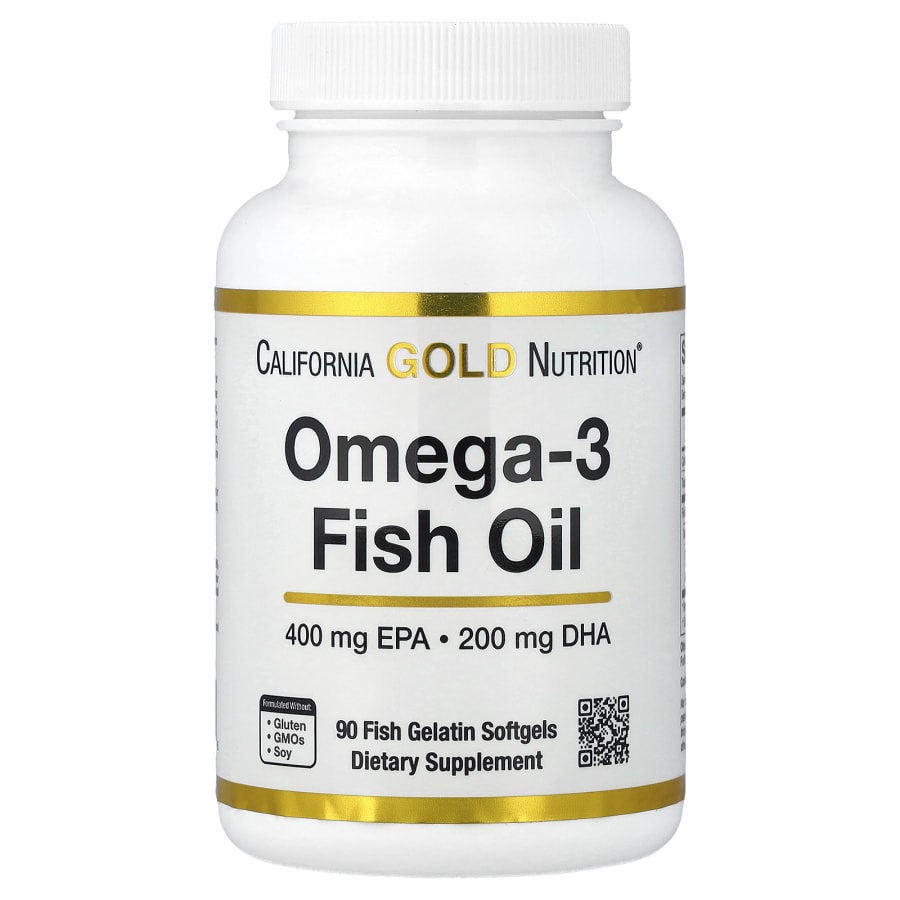
The front of a fish oil bottle usually states the weight of the oil in a softgel. The supplement facts panel states how much of that oil is EPA and DHA, the two fatty acids the product exists for. In a standard concentration, 1,000 mg of fish oil carries about 180 mg EPA and 120 mg DHA, so 300 mg of the thing you wanted and 700 mg of everything else.
Concentrates change the ratio, not the arithmetic: a concentrated softgel might carry 600 mg or more of EPA plus DHA in the same 1,000 mg. Two bottles can look identical on the front and differ threefold in the panel.
How to compare two bottles
Read EPA and DHA per serving, note how many softgels a serving is, and divide. Then multiply by servings per container to see what the pack gives you in total.
- Triglyceride (rTG / TG)
- The form found in fish, and in re-esterified concentrates. Generally the more expensive processing route.
- Ethyl ester (EE)
- A common concentrate form. Absorption differences reported in the literature are modest and dose-dependent.
- Krill (phospholipid)
- Lower EPA and DHA per capsule, bound differently, and priced higher per milligram of omega-3.
- Algal oil
- The vegan route, usually DHA-dominant. Check the EPA figure rather than assuming parity.
Freshness
Omega-3s oxidise. Rancid oil tastes and smells like it, and a strongly fishy burp or a bitter capsule is the practical signal most people notice first. Some manufacturers publish oxidation figures, peroxide value and TOTOX, and those are worth more than any marketing adjective. Otherwise, buy a size you will finish, keep it out of the heat, and put opened bottles in the fridge in this climate.
Fish oil interacts with some medication, anticoagulants in particular. That is a conversation with a pharmacist or doctor before it is a shopping decision.
What the article names, on our shelves
Matched on the form printed in each product’s own title.
This is about labels, not about you: nothing here is a diagnosis or a dose. Reference intakes quoted are population figures. If you take medication, are pregnant or breastfeeding, or are asking because of a symptom, ask a pharmacist or a doctor first.